

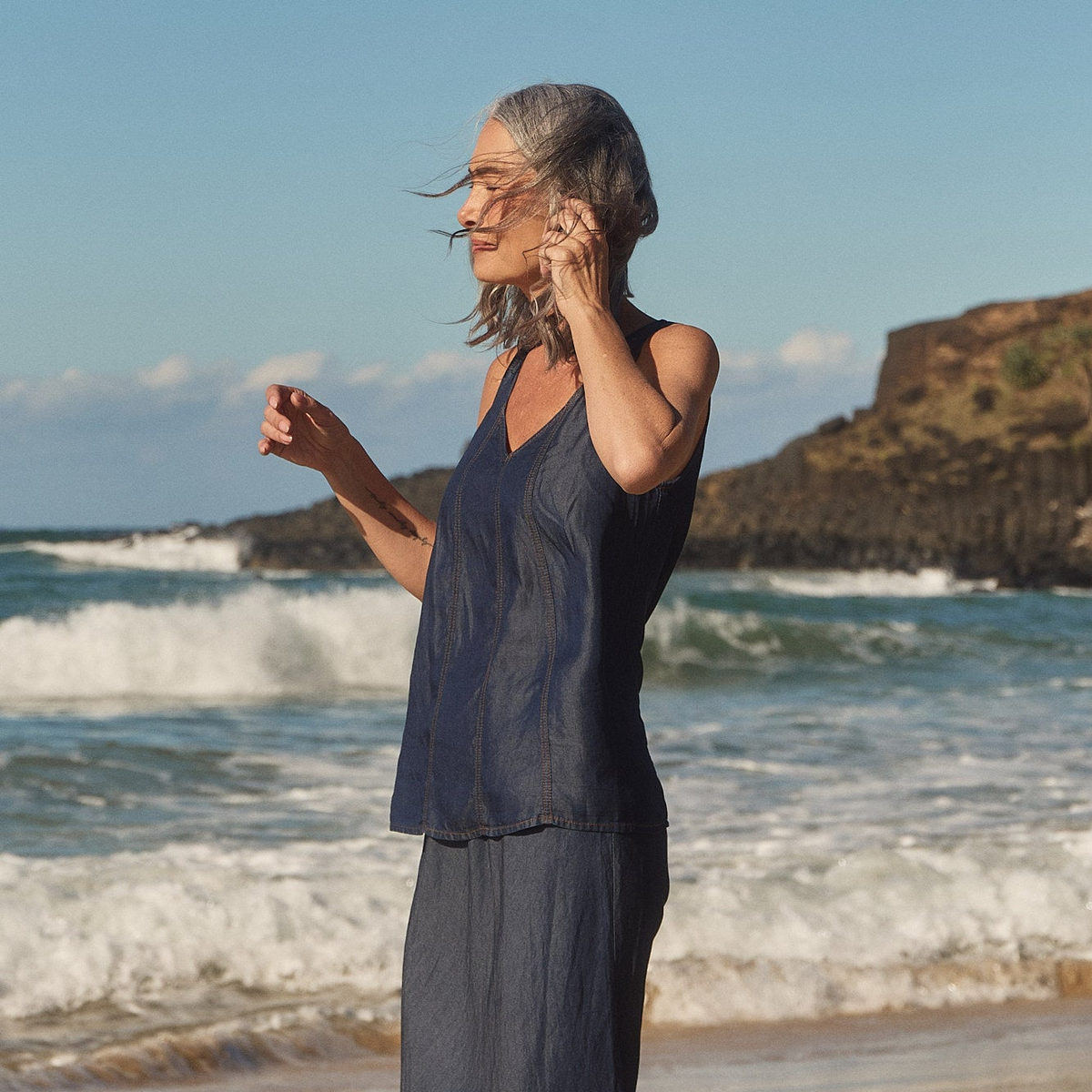
What does sustainable fashion mean?
Sustainable fashion is more than a buzzword. It represents a shift in how clothing is designed, produced, worn, and disposed of, one that aims to minimise environmental impact while maximising social responsibility. In an industry known for rapid turnover and excess, sustainable fashion seeks to balance style with stewardship, ensuring that the clothes we wear today don’t compromise the needs of future generations.

Introduction: redefining what we wear
For many people, fashion is about self-expression, creativity, and practicality. Sustainable fashion invites a broader perspective: it asks us to consider the full lifecycle of garments, from raw materials to end-of-life. By focusing on durability, ethical labour practices, and responsible consumption, sustainable fashion becomes a practical framework rather than a vague ideal. In this post, we’ll unpack what sustainable fashion means in everyday terms and how Australians can engage with it in meaningful ways.
The three core pillars of sustainable fashion
Sustainable fashion is commonly understood through three interconnected pillars: environmental integrity, social fairness, and economic viability. Each pillar supports the others, creating a holistic approach to clothing that respects people and the planet.
- Environmental integrity: This includes responsible sourcing of materials, reduced water and chemical usage, lower carbon emissions, and progressive waste management. It also covers how garments are designed for longevity, repairability, and recyclability.
- Social fairness: Garments are produced in safe, fair workplaces with fair wages and workers’ rights protected. Transparent supply chains help consumers know where and how their clothes are made.
- Economic viability: A sustainable fashion system must be financially sustainable for brands, factories, and workers. This often means long-term planning, local manufacturing where feasible, and innovative business models that reward quality over quantity.
Materials and design: choosing for longer life
One of the most impactful ways to embrace sustainable fashion is by choosing materials and designs that extend a garment’s life. This involves:
- Material choices: Preference for organic or recycled materials, natural dyes with lower environmental impact, and fibres that can be easily recycled at the end of life.
- Design for durability: Sturdy stitching, quality fabrics, and timeless silhouettes help garments endure frequent wear.
- Repairability: Clothes that are easy to repair, with replaceable buttons, accessible mending instructions, and modular components, reduce the need for replacement.
- End-of-life options: Take-back schemes, clothing swaps, and clear pathways for recycling or up-cycling reduce landfill waste.
For Australian consumers, this might mean seeking out locally produced fabrics, supporting brands that publish their material sources, and favouring pieces that can be repaired or repurposed rather than discarded after a single season.

Ethical labour and transparent supply chains
Sustainable fashion isn’t only about the materials; it’s also about the people who make the clothes. Ethical labour practices ensure workers receive fair wages, reasonable hours, and safe working conditions. Transparent supply chains empower consumers to understand where their garments come from and to hold brands accountable.
- Certification and standards: Look for brands that adhere to recognised labour standards or participate in third-party audits.
- Traceability: Brands sharing factory locations, production partners, and labour practices help build trust.
- Local and fair-wage considerations: In Australia and globally, supporting brands that invest in local communities or ensure fair compensation makes a tangible difference.

Business models that support sustainable fashion
Sustainable fashion also calls for innovative business approaches that decouple growth from waste. Some models include:
- Slow fashion: Emphasising quality, timeless design, and longer product lifespans over rapid turnover.
- Rental and resale platforms: Clothing rental and second-hand markets extend the life of garments and provide more affordable access to fashion.
- Circular economy initiatives: Brands designing products for disassembly, offering repair services, and implementing take-back schemes keep materials circulating.
- Transparent pricing: Clear communication about production costs helps consumers understand the value behind sustainable choices.
Practical steps for consumers
Everyday actions add up. Here are practical steps Australians can take to integrate sustainable fashion into their wardrobes:
- Audit your wardrobe: Identify pieces you wear regularly, donate or up-cycle items you no longer wear, and keep a lean, functional collection.
- Buy less but better: Invest in high-quality pieces with durable construction and timeless style.
- Support transparent brands: Choose brands that publish supply chain information and sustainability reports.
- Embrace repair and alteration: Learn basic mending or find local tailors who can extend garment life.
- Consider circular options: Use clothing rental services, swap events, or resale platforms to maximise existing pieces.
The consumer’s role in a sustainable fashion future
Sustainable fashion requires informed and intentional consumption. Consumers wield significant influence through what they buy, how they wear it, and how long they keep it. When shoppers prioritise durability, fair labour, and transparency, brands respond by improving practices and offering better products. In Australia, a growing community of designers, manufacturers, and retailers are embracing sustainability, crafting collections that honour both style and responsibility.
Final thoughts
Sustainable fashion means rethinking our relationship with clothing, from the materials we choose to how garments are produced, used, repaired, and eventually recycled. It’s about balancing personal style with environmental stewardship and social fairness. By embracing sustainable fashion, Australian consumers can enjoy fashion that looks good, feels good, and does good for people and the planet. The shift may be gradual, but every conscious purchase moves the industry toward a more ethical, resilient, and creative future.

Next

How to Look Fashionable in Summer
How to Look Fashionable in Summer Summer is a season of sun, heat, and opportunities to experiment with light fabrics, bright colours, and easy silhouettes. If you’ve ever wondered how to look styl...
What are boho colours?
What are boho colours? Boho colours have become a hallmark of the boho fashion aesthetic, painting wardrobes and living spaces with warmth, texture, and a touch of wanderlust. If you’ve ever wander...

Leave a comment
This site is protected by hCaptcha and the hCaptcha Privacy Policy and Terms of Service apply.